Tuberculosis (TB)
Tuberculosis is a serious infectious disease that primarily affects the lungs but can also involve other organs. It requires timely diagnosis, structured therapy, and meticulous follow-up to ensure complete eradication and prevent complications.
Under the expert care of Dr. Amolkumar Achlerkar, patients receive comprehensive evaluation, evidence-based anti-tubercular therapy, and continuous monitoring aligned with national and international TB treatment guidelines to ensure optimal recovery.
Understanding Tuberculosis
Tuberculosis (TB) is caused by the bacterium Mycobacterium tuberculosis and spreads through airborne droplets when an infected person coughs or sneezes. Pulmonary TB affects the lungs, while extrapulmonary TB may involve lymph nodes, bones, brain, or other organs.
Early recognition and disciplined treatment are critical to prevent disease progression and transmission.
Common Symptoms
- Persistent cough lasting more than two weeks
- Blood in sputum
- Unexplained weight loss
- Night sweats
- Low-grade fever
- Fatigue and weakness
Advanced Diagnostic Evaluation
Accurate diagnosis ensures timely and effective treatment. Evaluation may include:
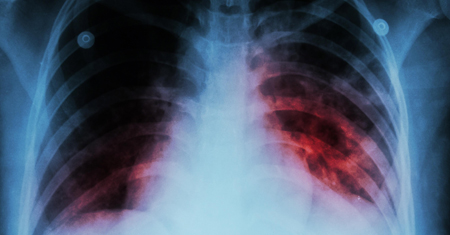
- Chest X-ray and radiological assessment
- Sputum examination and GeneXpert testing
- Blood investigations
- Bronchoscopy when required
- Drug-sensitivity testing for resistant TB
Comprehensive Treatment Approach
Tuberculosis treatment involves a structured multi-drug regimen administered over several months. Therapy is customized based on disease severity, drug sensitivity, and patient-specific factors.
- Standard anti-tubercular therapy (ATT)
- Management of drug-resistant TB
- Regular liver and blood parameter monitoring
- Nutritional and immune-support guidance
- Strict adherence counseling to prevent relapse
Prevention & Control
- Early screening and contact tracing
- BCG vaccination (as recommended)
- Proper cough hygiene and ventilation
- Completion of full treatment course
With timely intervention and disciplined therapy, tuberculosis is completely curable, restoring full respiratory health.
When to Consult a Specialist
- Cough lasting more than two weeks
- Unexplained fever or weight loss
- Blood in sputum
- Close contact with a TB patient
Early consultation ensures accurate diagnosis, prevents complications, and reduces transmission risk.