Chronic Obstructive Pulmonary Disease (COPD)
Chronic Obstructive Pulmonary Disease (COPD) is a progressive lung condition that causes airflow limitation, persistent breathlessness, and reduced respiratory capacity. Early diagnosis and structured management are essential to slow disease progression and enhance quality of life.
Under the expert supervision of Dr. Amolkumar Achlerkar, COPD care is delivered through evidence-based protocols, advanced pulmonary evaluation, and personalized treatment strategies aimed at long-term respiratory stability and functional independence.
Understanding COPD
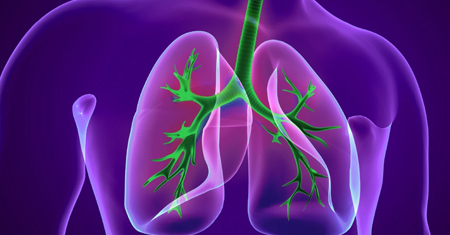
COPD primarily includes chronic bronchitis and emphysema, conditions that lead to narrowing of airways and destruction of lung tissue. Over time, this results in difficulty breathing, chronic cough, and reduced oxygen exchange.
Although COPD is a chronic condition, timely intervention and disciplined management can significantly slow progression and improve daily functioning.
Common Causes & Risk Factors
- Long-term cigarette smoking
- Exposure to air pollution and biomass fuel
- Occupational dust and chemical exposure
- Passive smoke exposure
- Genetic predisposition (rare cases)
Typical Symptoms
- Persistent breathlessness, especially on exertion
- Chronic cough with sputum production
- Frequent respiratory infections
- Chest tightness
- Fatigue and reduced stamina
Advanced Diagnostic Evaluation
Accurate staging of COPD is essential for optimal treatment. Evaluation may include:
- Pulmonary Function Testing (Spirometry)
- Chest imaging (X-ray or HRCT)
- Oxygen saturation assessment
- Arterial blood gas analysis (in advanced cases)
- Exercise tolerance evaluation (6-Minute Walk Test)
Comprehensive Treatment Approach
COPD management is individualized based on disease severity and patient lifestyle. Treatment strategies may include:
- Long-acting bronchodilators and inhaled therapies
- Inhaler technique training and optimization
- Oxygen therapy for advanced cases
- Pulmonary rehabilitation programs
- Vaccination against influenza and pneumococcal infections
- Management of acute exacerbations
The primary goal is symptom control, prevention of flare-ups, and preservation of lung function.
Prevention & Long-Term Care
- Complete smoking cessation
- Avoidance of environmental pollutants
- Regular medical follow-up
- Structured breathing exercises
- Healthy lifestyle and nutritional support
When to Consult a Specialist
- Breathlessness interfering with daily activities
- Chronic cough lasting several months
- Frequent chest infections
- Sudden worsening of symptoms
- Low oxygen levels or fatigue
Early specialist evaluation allows timely intervention, reduces complications, and enhances long-term respiratory health.