Bronchoscopy
Bronchoscopy is an advanced, minimally invasive diagnostic and therapeutic procedure that allows direct visualization of the airways and lungs. It plays a pivotal role in identifying complex respiratory conditions with precision and clarity.
Performed by Dr. Amolkumar Achlerkar, an experienced interventional pulmonologist, bronchoscopy is conducted with the highest standards of safety, accuracy, and patient comfort, ensuring reliable diagnosis and targeted treatment planning.
What is Bronchoscopy?
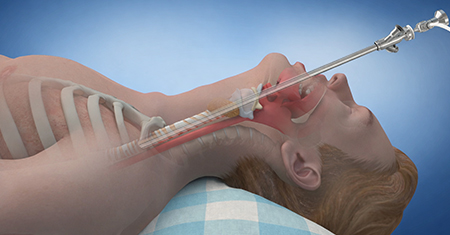
Bronchoscopy involves the insertion of a thin, flexible tube equipped with a high-definition camera through the nose or mouth into the lungs. This enables detailed examination of the bronchial tree and facilitates biopsy, infection assessment, or therapeutic intervention when required.
When is Bronchoscopy Recommended?
- Persistent or unexplained cough
- Blood in sputum (hemoptysis)
- Abnormal chest X-ray or CT scan findings
- Suspicion of lung infection or tuberculosis
- Evaluation of lung nodules or masses
- Airway obstruction or foreign body removal
Advanced Diagnostic Capabilities
Bronchoscopy enables precise sampling and evaluation through:
- Bronchial washings and lavage
- Transbronchial lung biopsy
- Endobronchial biopsy
- Microbiological and cytological analysis
Therapeutic Applications
- Removal of airway secretions or foreign bodies
- Control of airway bleeding
- Relief of airway obstruction
- Targeted medication delivery
These minimally invasive interventions often eliminate the need for more extensive surgical procedures.
Safety & Patient Comfort
The procedure is typically performed under local anesthesia with sedation to ensure comfort. Continuous monitoring and adherence to strict clinical protocols maintain the highest safety standards throughout the procedure.
When to Consult a Specialist
- Unresolved respiratory symptoms despite treatment
- Suspicious findings on imaging studies
- Recurrent lung infections
- Chronic unexplained breathlessness
Early bronchoscopy evaluation enables accurate diagnosis, timely intervention, and improved long-term respiratory outcomes.