Obstructive Sleep Apnea (OSA)
Obstructive Sleep Apnea is a common yet often undiagnosed sleep disorder characterized by repeated airway obstruction during sleep, leading to interrupted breathing and reduced oxygen levels.
Under the expert care of Dr. Amolkumar Achlerkar, sleep-related breathing disorders are evaluated through structured assessment and evidence-based management to restore healthy sleep patterns and safeguard long-term cardiovascular and respiratory health.
Understanding Obstructive Sleep Apnea
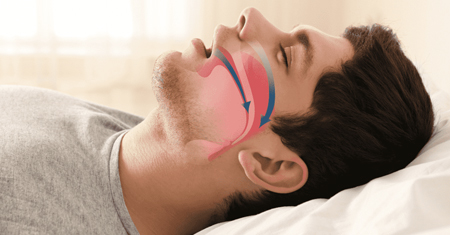
In OSA, the throat muscles intermittently relax during sleep, causing airway collapse and temporary pauses in breathing. These episodes may occur multiple times per hour, leading to fragmented sleep and chronic oxygen deprivation.
If left untreated, OSA can increase the risk of hypertension, heart disease, stroke, diabetes, and daytime cognitive impairment.
Common Symptoms
- Loud, persistent snoring
- Pauses in breathing during sleep
- Excessive daytime sleepiness
- Morning headaches
- Difficulty concentrating
- Dry mouth or sore throat on waking
Risk Factors
- Obesity or excess body weight
- Neck circumference enlargement
- Smoking or alcohol consumption
- Family history of sleep apnea
- Structural airway abnormalities
Advanced Diagnostic Evaluation
Accurate diagnosis is achieved through:
- Detailed sleep history and clinical evaluation
- Overnight sleep study (Polysomnography)
- Home sleep apnea testing (when appropriate)
- Oxygen saturation monitoring
Comprehensive Treatment Approach
Management is individualized based on severity and patient profile. Treatment options may include:
- Continuous Positive Airway Pressure (CPAP) therapy
- BiPAP therapy for advanced cases
- Weight management and lifestyle modification
- Oral appliance therapy
- Referral for surgical evaluation when indicated
The goal is uninterrupted breathing during sleep, improved oxygenation, and restoration of restorative sleep quality.
When to Consult a Specialist
- Loud snoring with witnessed breathing pauses
- Excessive daytime fatigue
- Uncontrolled hypertension
- Morning headaches or poor sleep quality
- Difficulty staying alert during the day
Early evaluation and structured management significantly reduce long-term cardiovascular risks and improve overall well-being.