When Should You See a Pulmonologist?
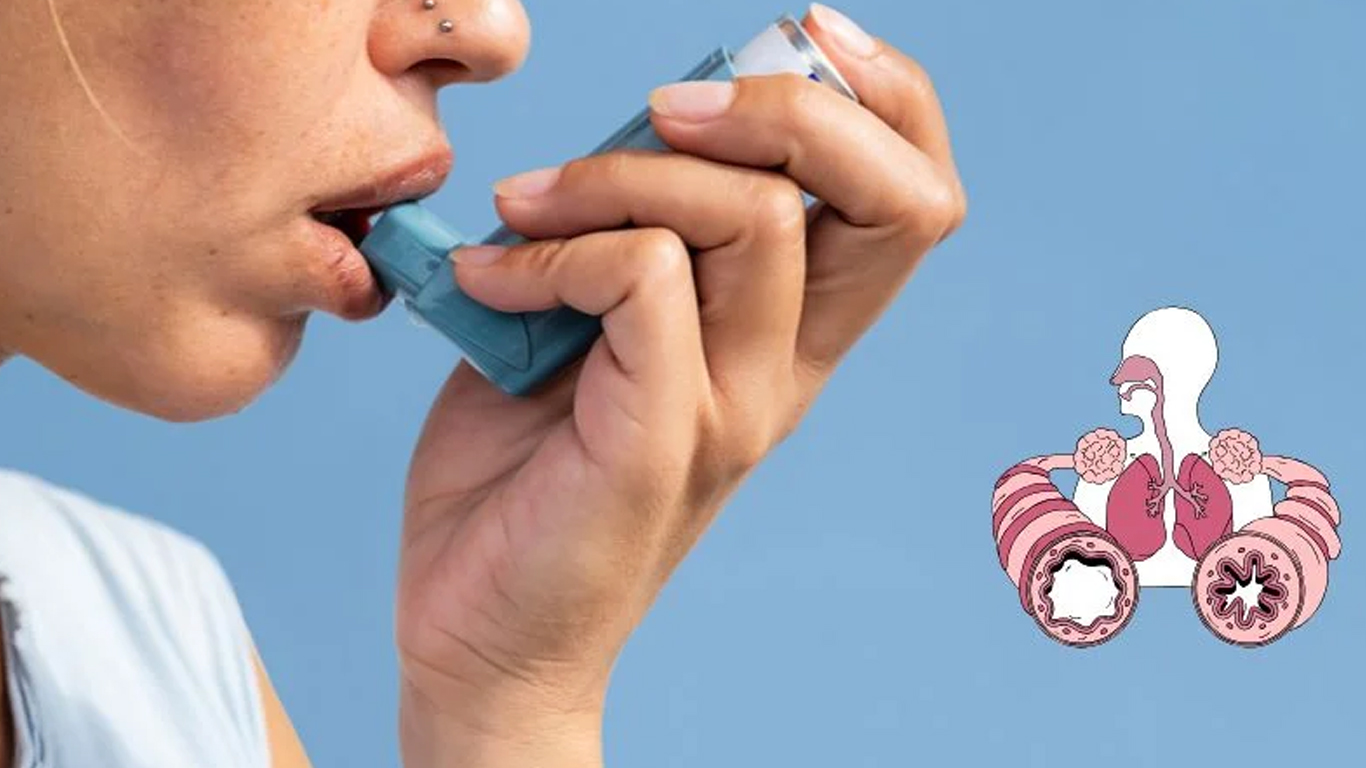
Respiratory symptoms are often overlooked or attributed to minor infections, but persistent or worsening breathing issues may indicate an underlying lung condition. A pulmonologist specializes in diagnosing and managing disorders related to the lungs and respiratory system.
Who is a Pulmonologist?
A pulmonologist is a medical specialist trained in the diagnosis and treatment of lung diseases, including asthma, COPD, tuberculosis, pneumonia, interstitial lung disease, sleep apnea, and other complex respiratory disorders.
Signs You Should Not Ignore
Persistent Cough
A cough lasting more than three weeks, especially if accompanied by mucus or blood, requires medical evaluation.
Shortness of Breath
Breathlessness during routine activities or at rest may indicate asthma, COPD, or other lung conditions.
Wheezing or Chest Tightness
A whistling sound while breathing or recurring chest tightness could signal airway inflammation.
Recurrent Lung Infections
Frequent episodes of pneumonia, bronchitis, or respiratory infections may indicate an underlying respiratory disorder.
Abnormal Chest X-ray or CT Scan
Imaging abnormalities should be evaluated by a specialist to determine the cause and appropriate management.
High-Risk Individuals Who Should Seek Evaluation
- Smokers or former smokers
- Individuals exposed to air pollution or occupational dust
- Patients with a history of tuberculosis
- People with autoimmune disorders
- Post-COVID patients with persistent respiratory symptoms
Why Early Consultation Matters
- Ensures accurate diagnosis through specialized testing.
- Prevents progression of chronic lung diseases.
- Reduces risk of complications and hospitalizations.
- Improves long-term respiratory health outcomes.
- Provides structured and personalized treatment planning.
Take Your Respiratory Health Seriously
Early evaluation by a pulmonologist can make a significant difference in managing respiratory conditions effectively. If you experience persistent breathing difficulties or unexplained respiratory symptoms, seeking specialist consultation is a proactive step toward better lung health.